Proprietary Configuration Assets vs. Rented Templates: Why Custom Software Wins
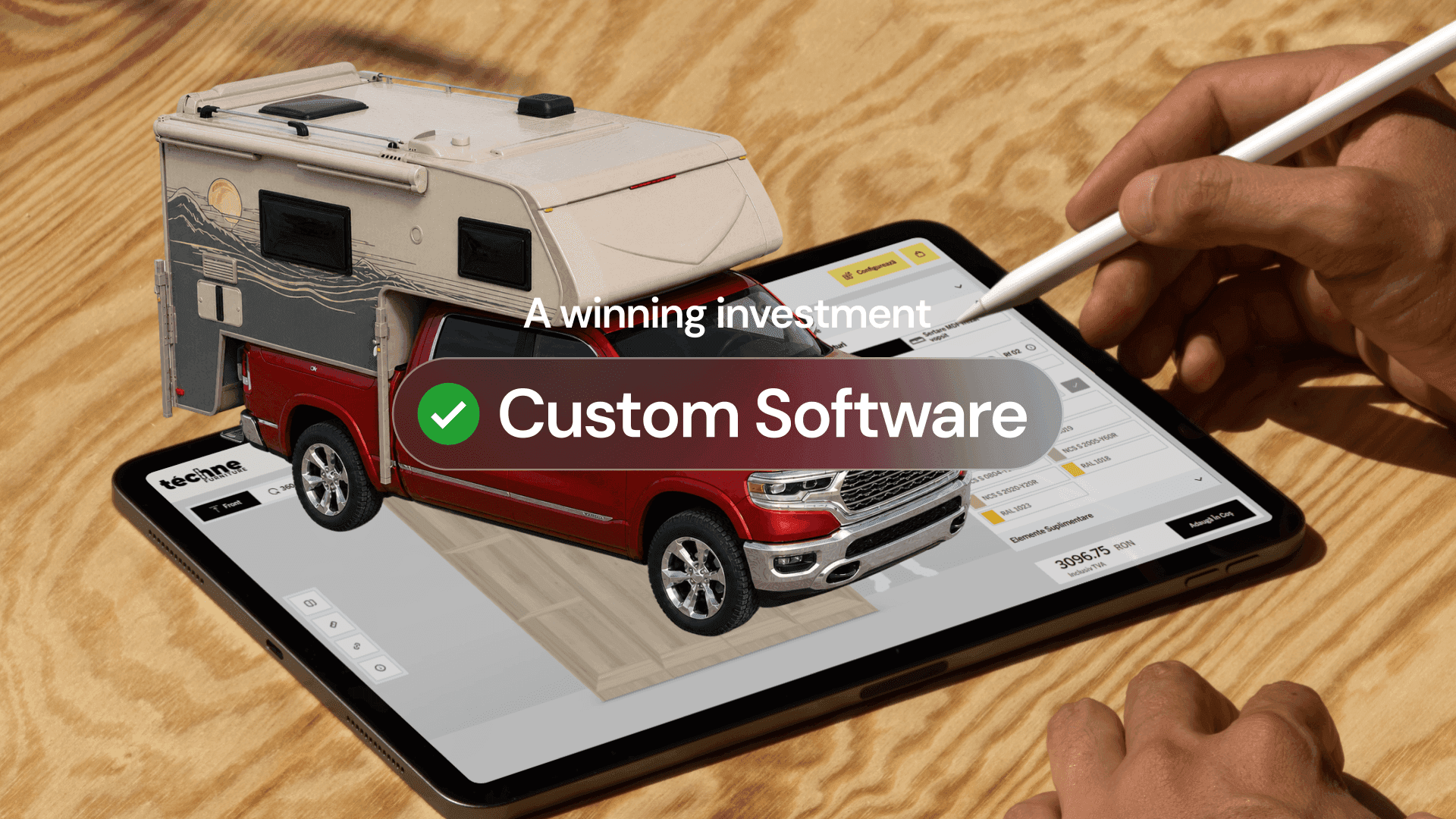
When industrial manufacturers decide to launch an online product configurator, they face a critical architectural crossroads. They can either build a proprietary product rule asset using flexible custom software, or they can rent rigid, off-the-shelf software templates from a standard SaaS provider.
At first glance, renting pre-built templates seems like the fastest path to market. However, complex manufacturing logic rarely fits neatly into standardized boxes.
Choosing the template route often forces companies to compromise on their unique engineering rules, business models, and user experiences. Over time, these rigid constraints turn a rented system into an operational bottleneck.
Investing in custom software allows manufacturers to codify their exact engineering DNA into a powerful, proprietary business asset. This approach secures complete data control, unlocks deep integrations, and establishes an uncatchable competitive advantage in the B2B marketplace.
The strategic calculation: Rented software templates treat your product logic as a temporary utility bill. Developing custom software turns your complex engineering knowledge into an appreciating digital asset that lives directly on your balance sheet.
The architectural divide: Where rented platforms break down
Custom manufacturers succeed because they can build configurations, variations, and highly complex sub-assemblies that their competitors cannot. When you attempt to force that specialized expertise into a rigid, pre-built template, you immediately run into severe structural roadblocks.
The template constraint penalty: Off-the-shelf platforms rely on flat dropdown selections and static logic trees. If your product line requires complex parametric math—such as calculating material stress levels on the fly as a user stretches a 3D frame—rented templates collapse under the technical complexity.
The proprietary data trap: When you host your core configuration logic inside a closed SaaS ecosystem, you do not own the underlying data structures. If the vendor raises their subscription rates, alters their API access rules, or goes out of business, your entire front-end sales pipeline goes dark.
The disconnected system silo: Rented web configurators often operate as separate, isolated silos. They struggle to communicate seamlessly with specialized internal tools like your specific ERP inventory tables, custom nesting software, or specialized factory floor automation machinery.
Strategic evaluation: Rented templates vs. custom software assets
The choice between renting a generic software framework and building a custom software asset changes how your business operates, handles data, and scales:
[ CORE ARCHITECTURAL TRAJECTORIES ]
▼ ▼
[ Rented SaaS template ] [ Custom software asset ]
- Fixed interface layouts - Infinite UI design control
- High monthly licensing fees - Zero ongoing per-seat user costs
- Hidden engineering limitations - Perfect alignment with factory rules
- Closed, third-party data ecosystems - 100% intellectual property ownership
Tailoring the user interface to your buyers
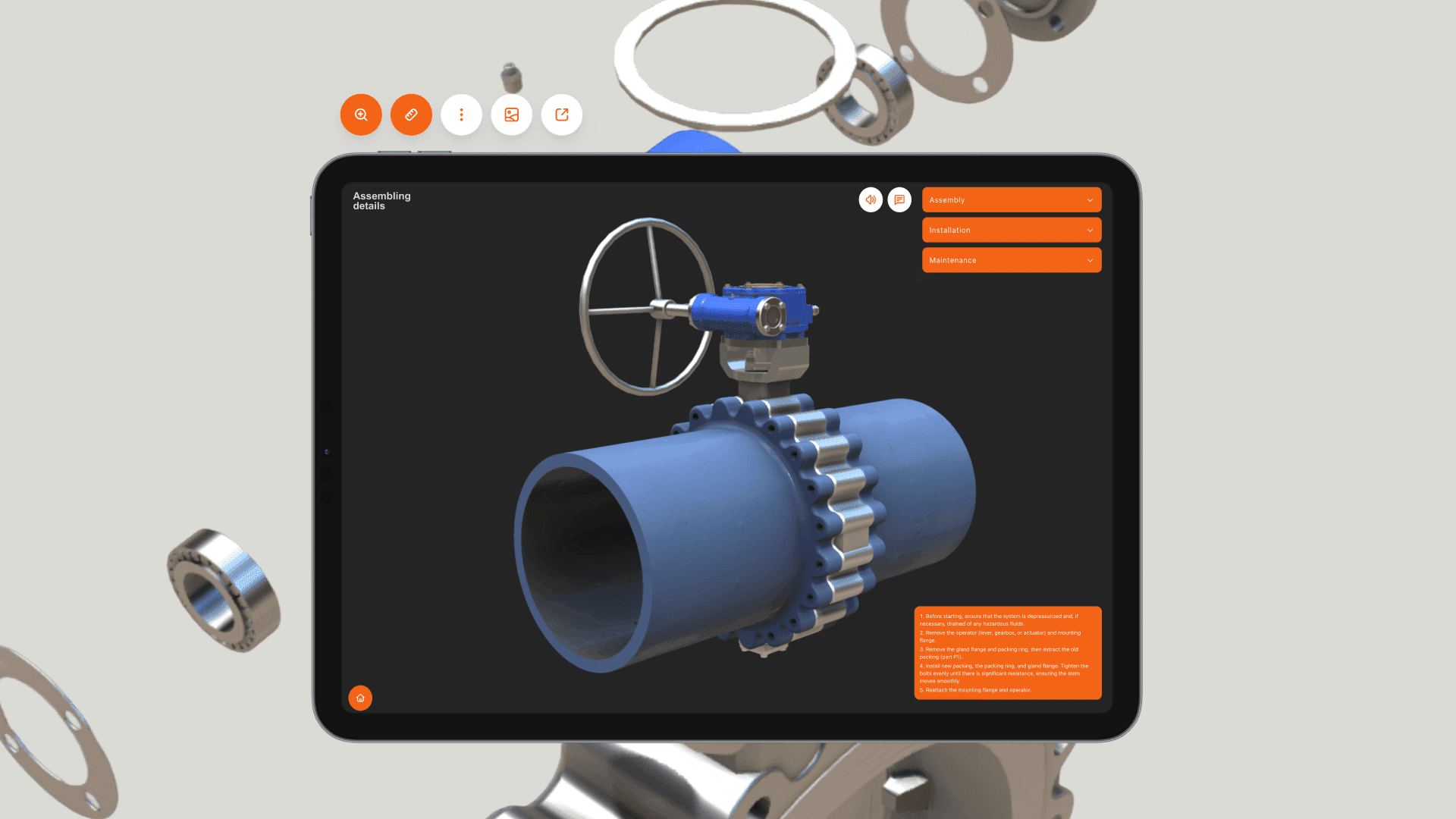
Standard software templates force every brand into identical patterns: a static layout, standard option selections, and generic text fields. Custom software grants you absolute control over the visual buying journey. You can build an intuitive, interactive experience designed around how your industrial customers actually purchase.
Escaping the endless licensing loop
Renting SaaS templates looks affordable upfront, but the long-term math tells a different story. As your sales network expands, adding new distributors, independent sales reps, and internal production planners spikes your monthly subscription bill. Developing a custom software asset requires an initial upfront investment, but it eliminates ongoing licensing fees, allowing your volume to scale without penalty.
Achieving deep backend operational harmony
A custom software build allows your web-facing application to talk directly to your manufacturing execution tools using native databases. The moment a buyer hits checkout, the configuration engine automatically writes clean coordinate files, raw cutting sheets, and material reservation tokens straight to your factory floor systems without requiring manual file conversions.
Building for long-term operational resilience
Relying on rigid, pre-packaged software templates might get you online a few weeks faster, but it limits your business to doing only what the software vendor allows. It forces your engineers and sales teams to work around the system's flaws instead of letting the technology work for them.
Investing in custom software allows you to build a highly optimized, fully integrated product rule asset that matches your exact operational strengths. By owning your digital infrastructure, you protect your proprietary manufacturing logic, remove administrative bottlenecks, and establish a scalable sales pipeline that expands alongside your company.