Building FormFitter: Aaron Hughes and Petra Palusova on the Future of Wearable Fabrication

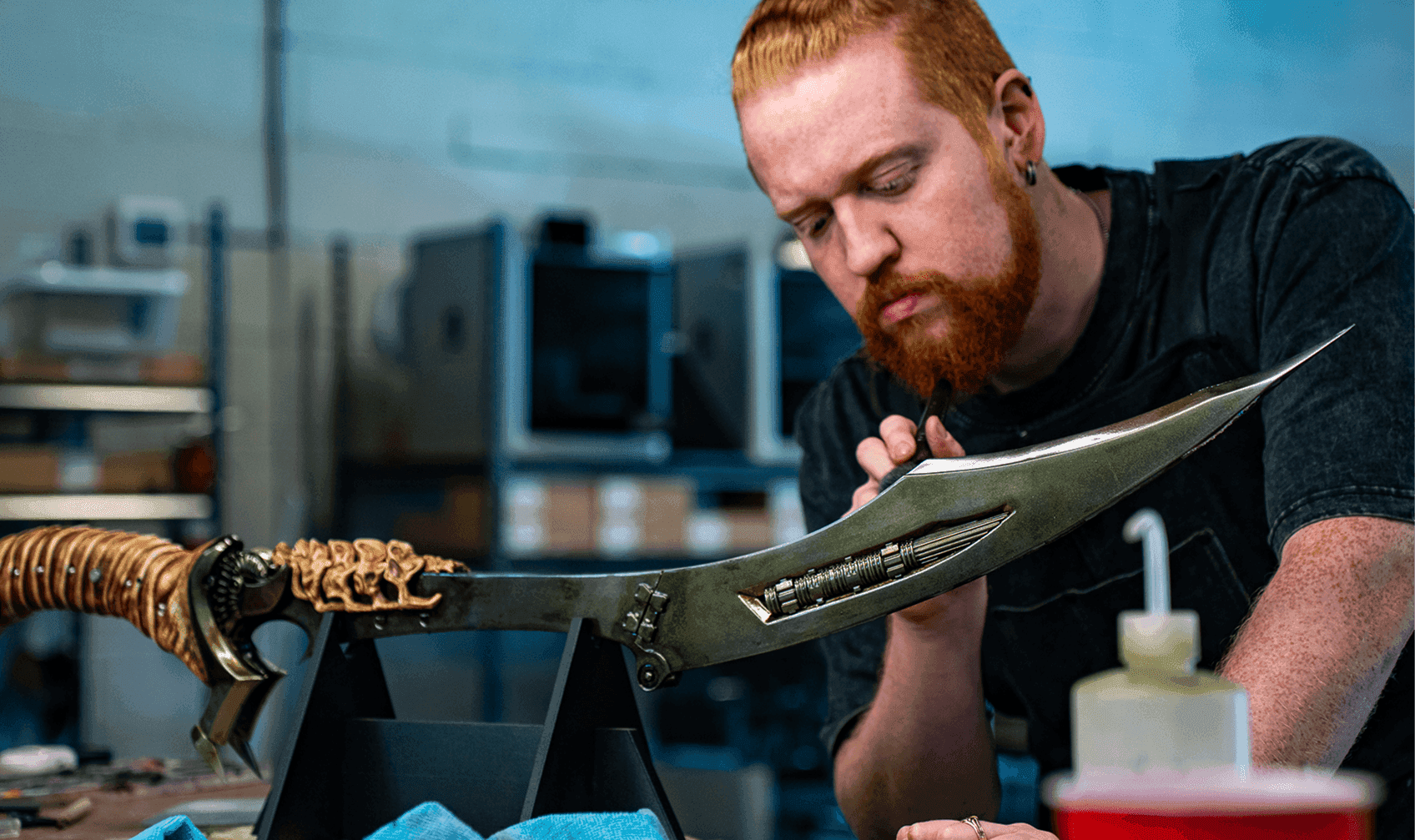
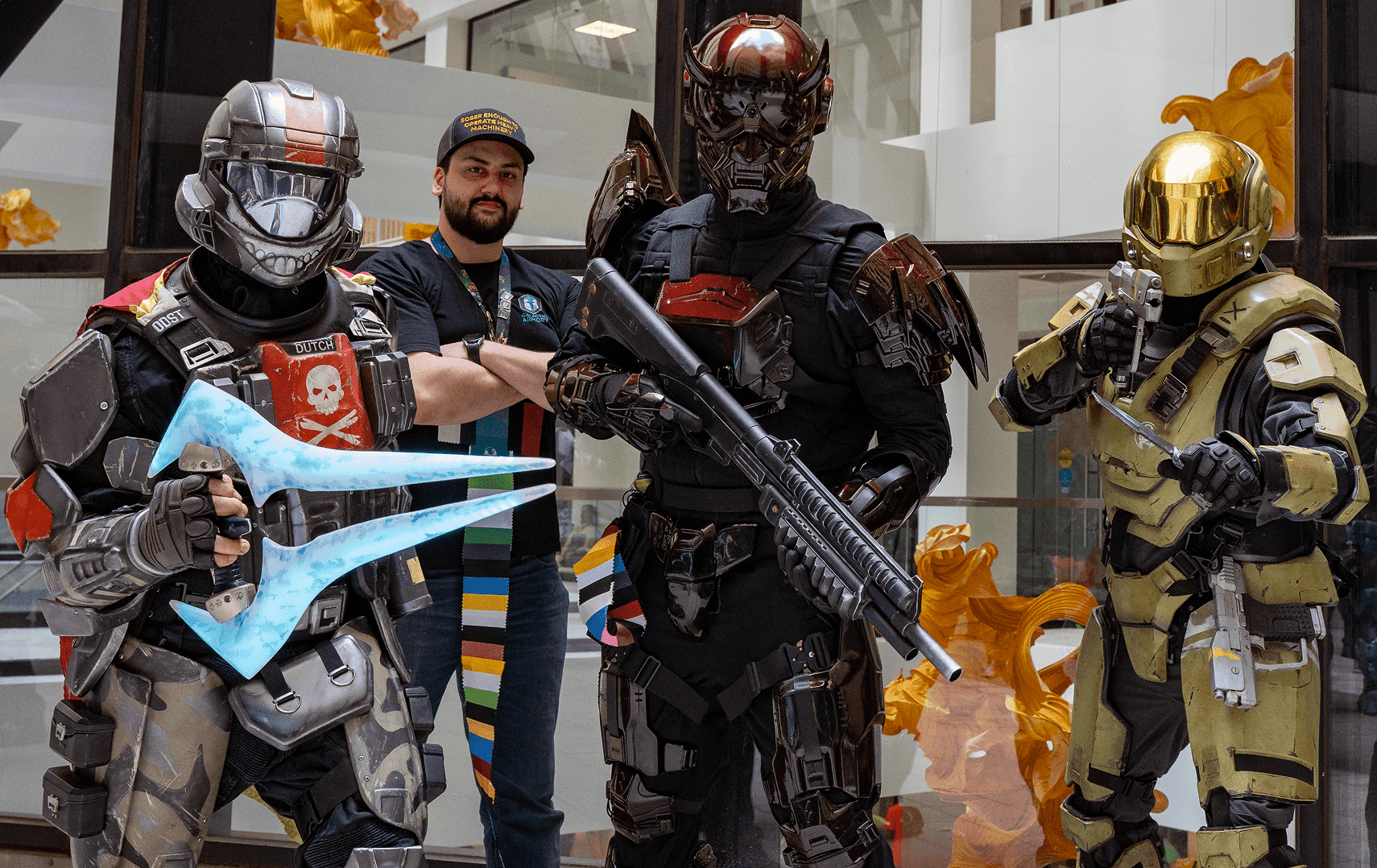
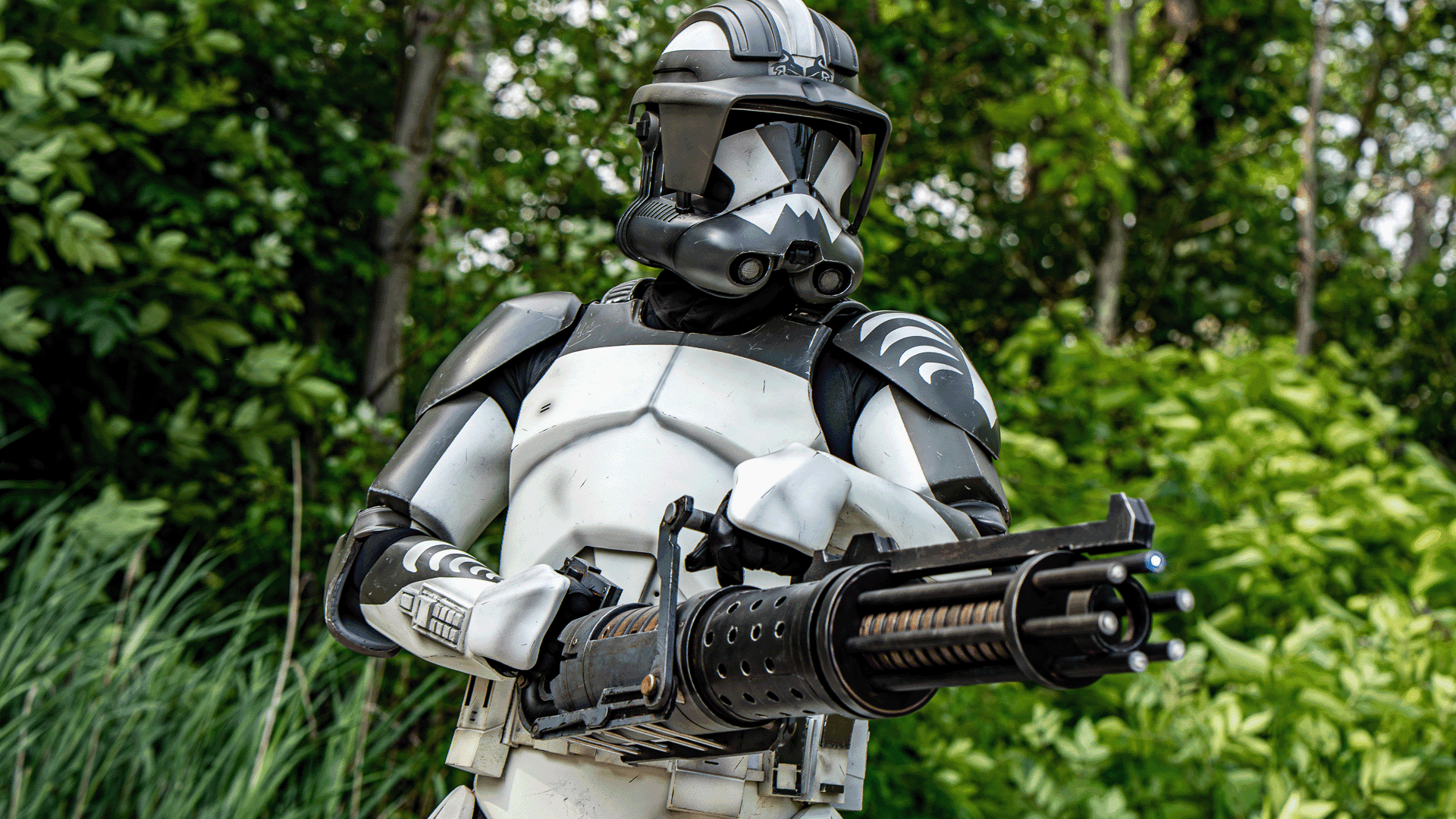
Long before Galactic Armory became a household name among cosplayers, it was just Aaron Hughes in an apartment, building costumes because he loved doing it. He spent his spare time recreating armor, helmets, and props that inspired him, and over the years, that interest grew into a company that serves a global community of makers and cosplay enthusiasts. Today, Galactic Armory's team develops detailed 3D armor files for some of the most recognizable science-fiction franchises. Thousands of creators around the world download, print, assemble, and wear these designs.
The growth of the community also revealed a persistent problem: digital models may look perfect on a screen, yet physical fabrication follows different rules. A few centimeters can determine whether a helmet fits or if an expensive print failed. For many makers, sizing remains one of the most frustrating parts of the process. Digital files are easy to distribute, but adapting them to individual body proportions requires trial and error, additional material costs, and significant amounts of time.
To address this challenge, Galactic Armory and Digital Tails Group began developing FormFitter, a tool that helps makers adjust armor to real-world body measurements before production begins. Petra Palusova, Chief Strategy Officer at Digital Tails Group, sat down with Galactic Armory founder Aaron Hughes to discuss the evolution of the company, the challenges behind wearable fabrication, and the ideas that shaped FormFitter.
It started in an apartment
Petra Palusova: Aaron, take me back to the beginning. How did Galactic Armory transition from a hobby into a business?
Aaron Hughes: It started very informally. I made costumes in my apartment in my free time. It wasn’t a company at all. It was just a personal passion project. But I spent more time on it, and it naturally started to overtake my day job. Today, our team includes about twelve people. The core of our work is incredibly 3D-heavy.
Petra: I imagine that physical 3D fabrication brings constraints. Game or film modelers never have to worry about these issues.
Aaron: Absolutely. We have four dedicated 3D modelers. Their entire focus is the sculpture of armor sets. But the goal is not to just make them visually accurate to the original, they have to be usable. A model must survive real-world movement and printing tolerances. It exists in two realities at once. It has a digital source and it has a physical outcome.
Petra: Your models are stunningly detailed. Realism is exactly what creators expect. The armor must feel authentic when they actually put it on.
Aaron: Exactly, when someone spends weeks on the build of a suit, they want to feel like they stepped right out of the universe.
The business behind the community
Petra: You built an incredibly loyal audience. Can you pull back the curtain on how the business model operates in practice?
Aaron: The community is our engine. We have around 37,000 total members. About 7,000 of those members are active, paying subscribers. Our platform is a living subscription. Members get access to around 20 new models a month. Individually, a single armor has certain costs, so the value proposition of the subscription is massive.
Petra: And how does that balance against one-off purchases?
Aaron: Our revenue is split roughly 50/50. Half comes from direct, individual file purchases, and the other half comes from the recurring subscription community.
Petra: With an audience that size, your backend infrastructure must face quite a bit of pressure.
Aaron: Originally, our delivery method was pretty manual. We relied on Google Drive and shared links. It did work, but it wasn’t scalable. It’s actually one of the big reasons why we need FormFitter. It will improve life for our users and for our own operations.
The problem nobody solved (yet)
Petra: People face a notorious pain point when they scale armor to fit different human proportions. When did you realize this was the core bottleneck of the entire industry?
Aaron: I knew it on day one. You hit a wall the exact moment you move from a digital file to a physical costume. Human bodies are entirely unique, but 3D files are rigid. Currently, the entire industry relies on painful trial and error. People only guess their scaling metrics and they print a piece. Then they realize it does not fit, so they throw it away. They adjust the file manually and they try again. This process wastes an immense amount of time and material.
Petra: What alternatives exist on the market right now? What do makers use to fix this?
Aaron: The options are incredibly fragmented. A software called Armorsmith is the most well-known tool. However, the developers have not updated it in years. It really shows its age. Beyond that, people must learn advanced manual scaling skills, or they must hire specialized freelancers. These freelancers scale the files for them. This option is expensive and it does not scale.
Petra: So makers must choose between outdated software, manual guesswork, or outsourcing. It is no wonder that beginners get discouraged.
Aaron: Exactly. The hardest part of the process is no longer the design or the print. The hardest part is the fit. That is where motivation drops and people abandon projects.
Turning a frustration into a product
Petra: You tried to solve this before you partnered with Digital Tails Group. Why did those early attempts fall short?
Aaron: We hired various freelancers through platforms like Upwork. However, we could not get the consistency we needed. We received prototypes that contained core errors or weak user experiences. It was a fragmented approach. We had separate technical experiments, but we never had a cohesive, production-ready tool. It did not suit actual user workflows. It became expensive, and it never delivered a usable product.
Petra: That is exactly where our joint development focus shifted. Our team looks at the problem from a systems perspective. Galactic Armory is now preparing a Kickstarter campaign to bring FormFitter to the wider maker community. It is an exciting step for the project, and it reflects the growing need for tools that can make digital fabrication more accessible.
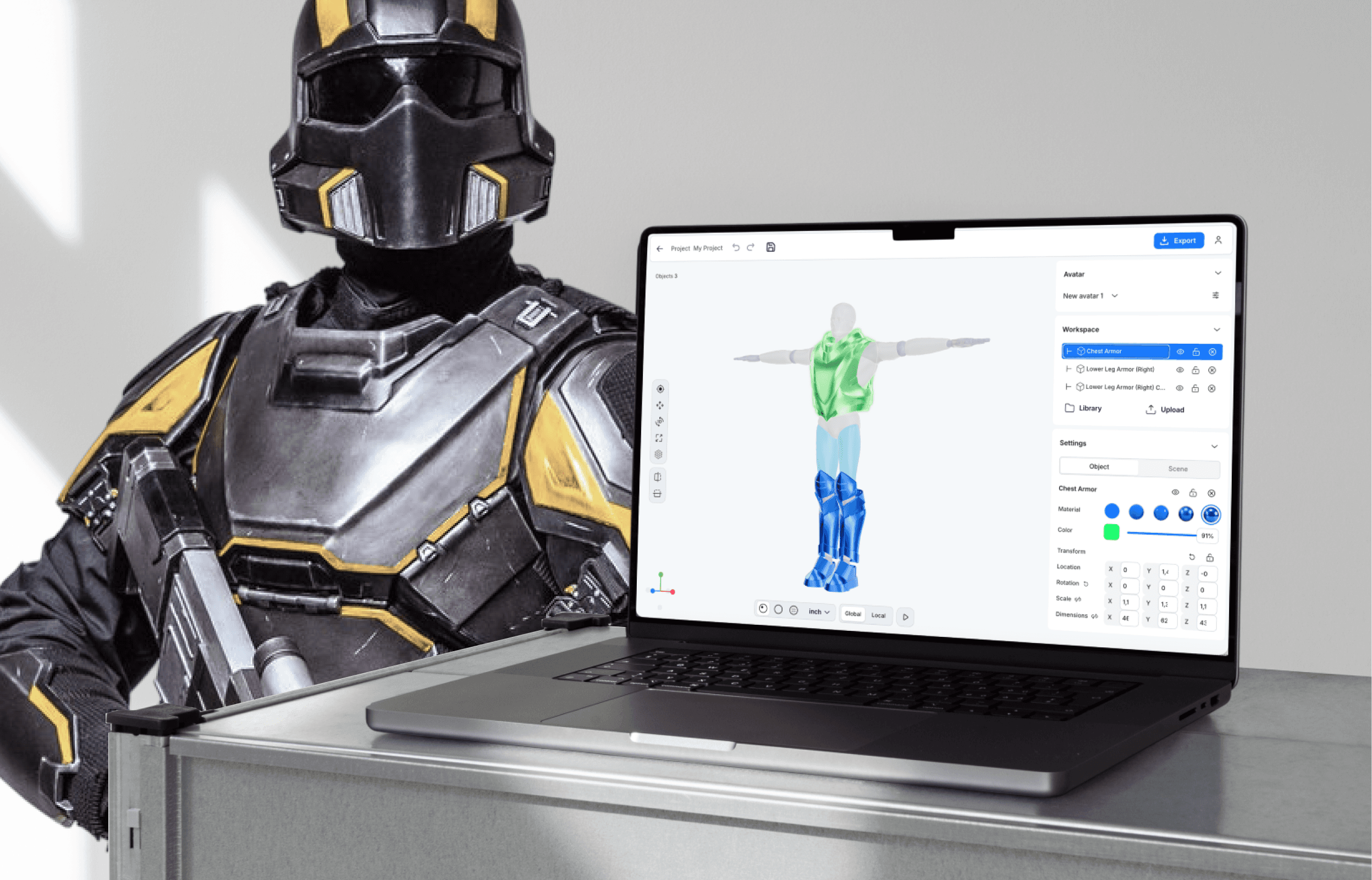
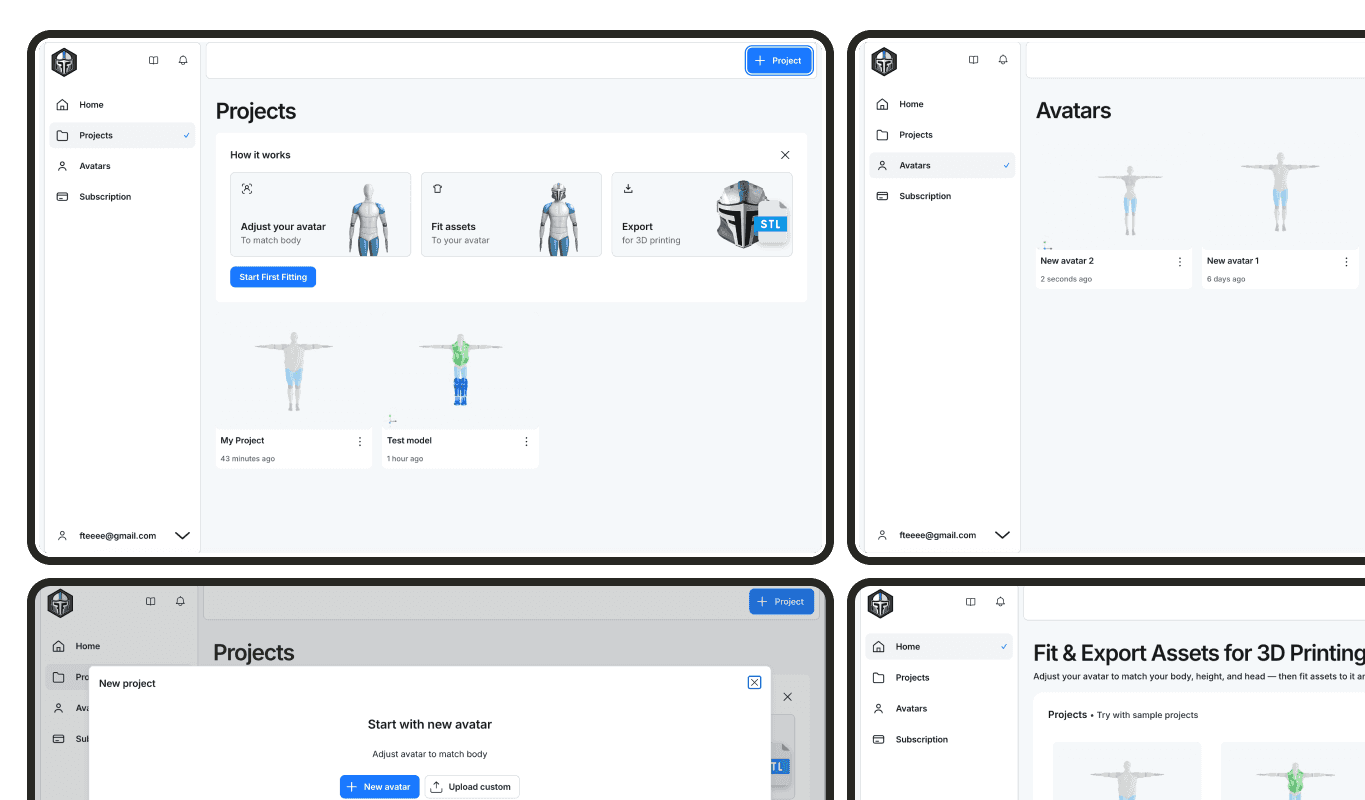
Aaron: Right. We want to confirm that the ecosystem is ready for a fundamental workflow shift. FormFitter takes the burden of complex geometry off the user. You input your measurements, and the system intelligently adapts the model to your body. It makes the entire build predictable.
Two products, two mindsets
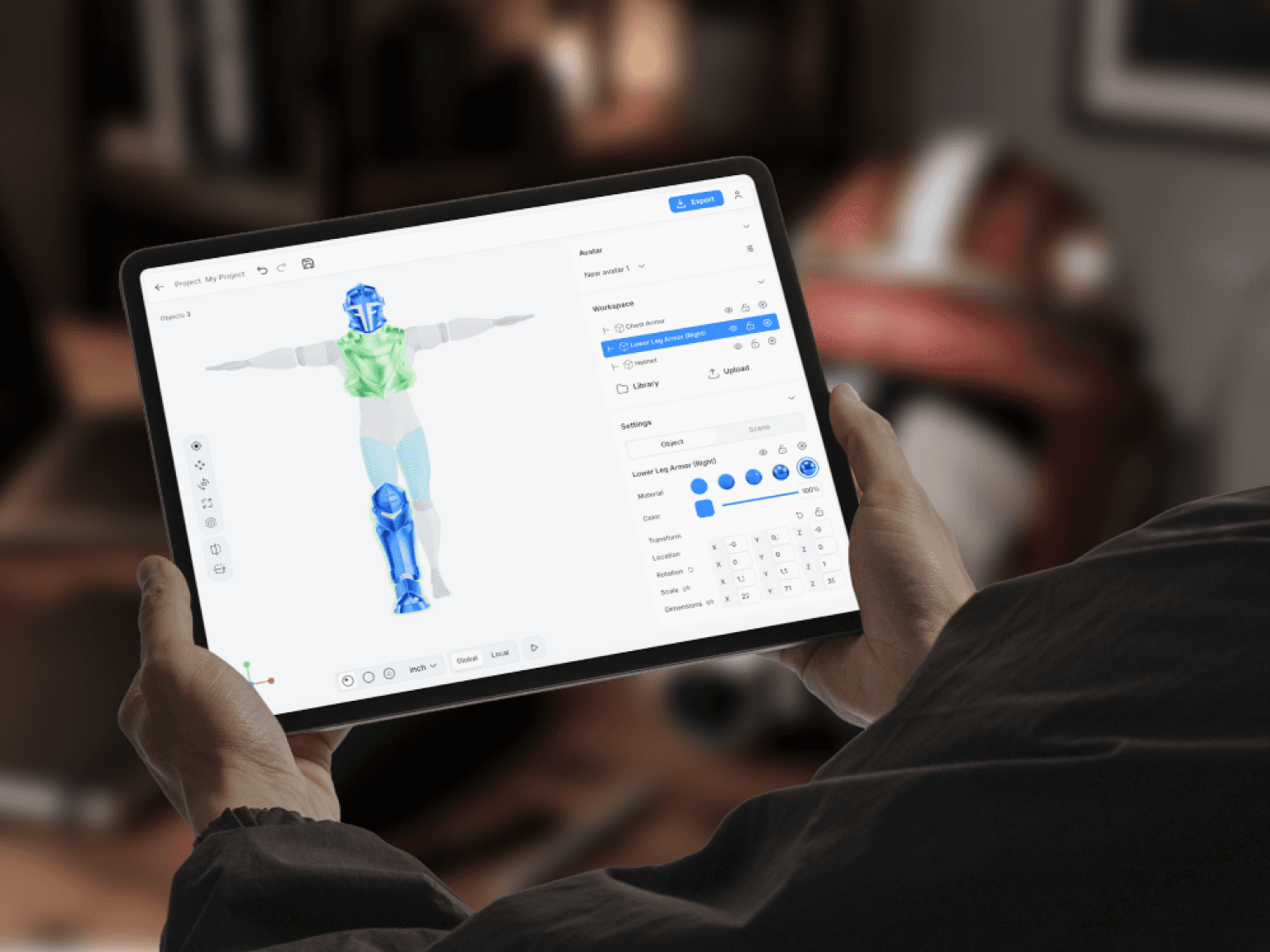
Petra: We are currently developing FormFitter as both a web platform and a standalone desktop application. What drove the decision to split the product architecture?
Aaron: It is a cultural decision rather than a technical one. The web version is our cutting-edge, connected environment. New features drop there first. Cloud projects live there, and users can access their work from any location.
But the maker community has a deeply ingrained ownership mindset. They do not want a system that ties everything to a recurring cloud subscription. They want a stable, local tool that they can install and run offline. We respect both preferences when we deliver a continuous web ecosystem alongside a reliable standalone app.
The technical frontier: Light and accessible
Petra: From a technical standpoint, optimization is a massive challenge. The models must be high-resolution and run smoothly inside a standard web browser so they do not crash lower-end computers. How is this solved?
Aaron: That is our secret sauce. If the tool requires a $3,000 gaming rig, then we fail the everyday maker. The system must decimate and simplify complex 3D geometry in real-time to reduce the resource load, but still preserve sharp, authentic details of the armor. We are also moving past simple planar cuts. Makers often need to slice a model so it fits their printer bed. Straight lines do not work well for curved armor. Therefore, we build flexible, organic geometry editing directly into a lightweight environment.
Petra: This naturally paves the way for a broader commercial footprint. Where does FormFitter go after the MVP stage?
Aaron: We will move from a tool to a true platform marketplace. Right now, creators download a file and they struggle to modify it. In the future ecosystem, FormFitter will operate as an integrated marketplace. Users can buy assets, and then they can auto-scale them to a digital body double. They can modify the files, and they can even offer their own customized assets or scaling services back to the community.
Lowering the barrier to creation
Petra: Ultimately, this project seems both about software architecture and about the psychology of the makers.
Aaron: It really is. We build FormFitter for the "everyman." It is not just for the experts who spent years on manual workarounds. Experience in this hobby always carried a hidden barrier to entry. It required tribal knowledge that people only learned when they wasted rolls of filament. We want to lower that barrier. We want to remove the friction between a digital idea and a physical object. This shift changes the entire experience. It gives people the confidence that they need to finish their projects.
Petra: Completion, confidence, and accessibility. I couldn't agree more, Aaron. Thank you for this partnership with Digital Tails Group.
Aaron: Thanks, Petra. Exciting times ahead.